Conformity gate, queerbait, Duffer hate, Eleven’s fate. Mixed reactions on Netflix’s hit original series “Stranger Things’” final episode appeared across media outlets following its Dec. 31 release.
Despite the series’s success as a whole, the public’s reaction highlights endless issues with the writing. In “Stranger Things’” highly anticipated finale, tangled character arcs and rushed plotlines resulted in an unsatisfactory conclusion.
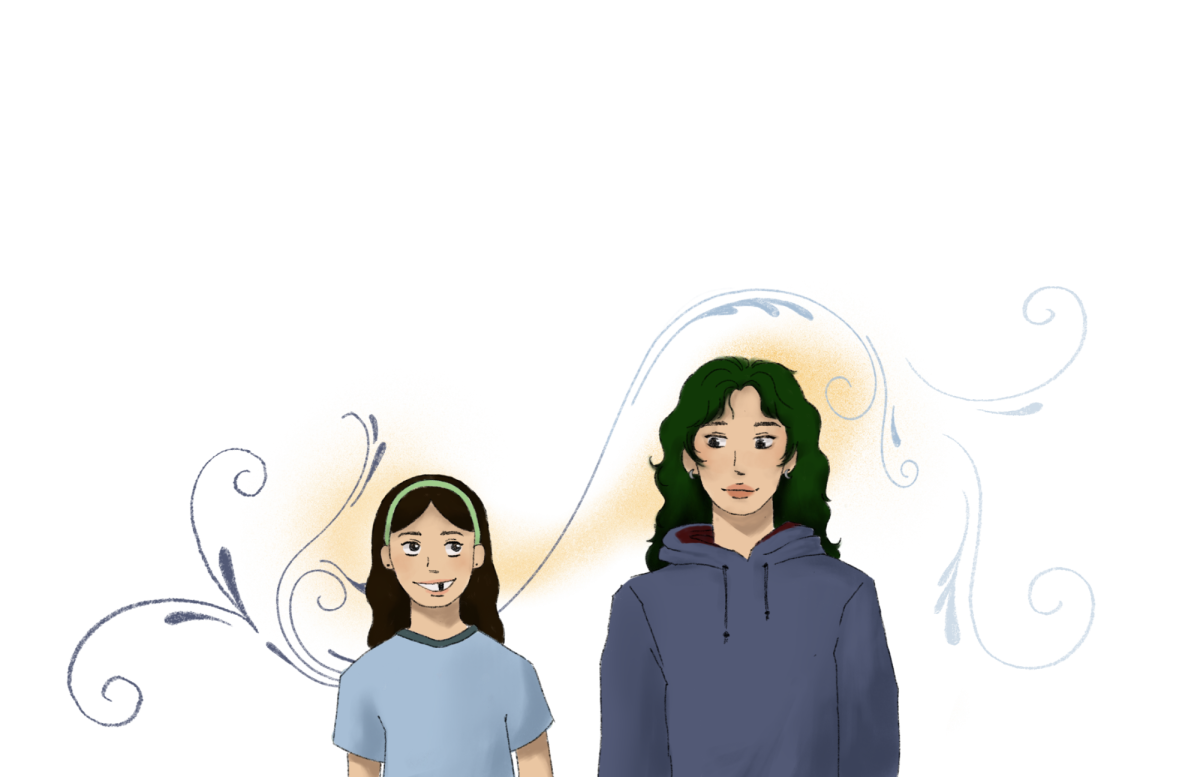
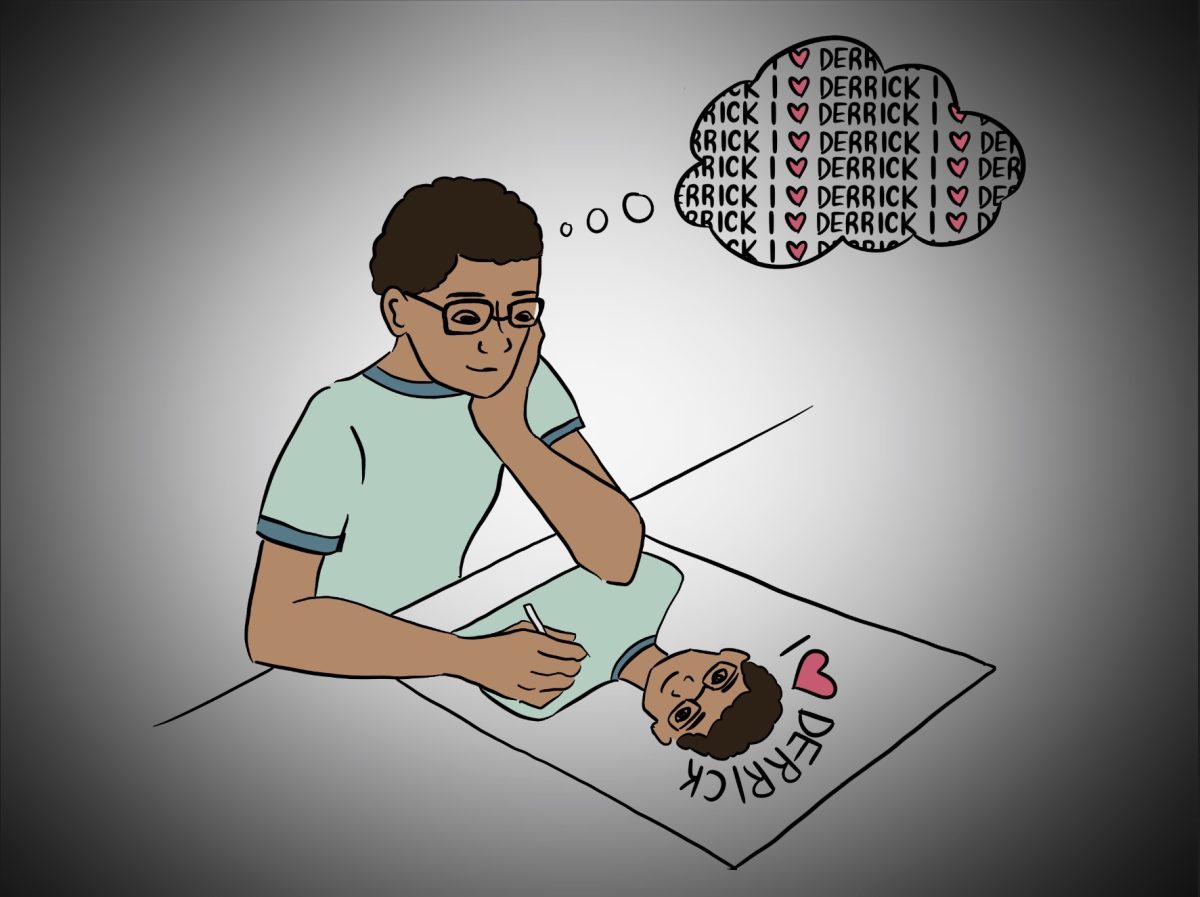
The characters are a shell of themselves in favor of the plot, and as a result, the once-adored relationship dynamics connecting the core group suddenly feel stiff and forced, laced with a different tone entirely. Nancy and Jonathan’s intimate relationship, built on vulnerability and sincere devotion, is suddenly reduced to a “trauma bond” after four whole seasons spent fleshing out their rare connection to the point where the creators had to clarify to themselves that the two had broken up. Mike can’t even touch Will after it is revealed that Will has feelings for him — an ongoing, built-up plotline which is sloppily cut off in a random scene in the finale as Will’s beautifully developed self-acceptance of his queerness is left insensitively addressed in a tragically out-of-place coming out scene that lacks intimacy.
Worst of all, the main couple, Mike and Eleven, share no chemistry whatsoever. The creators ended up finishing protagonist Eleven’s story with her sacrificing herself to end her long-endured cycle of abuse, leaving the beloved character’s ending utterly devoid of empowerment. Her final scene in the void with her boyfriend Mike reduces her entire character to just the protagonist’s girlfriend, discarding all the relationships she had built throughout the five seasons of the show.
In this final season, the characters become plot devices, pawns only used to progress the game forward, as their individual personalities and positions as people are left in the dust of the beginning seasons.
In terms of the plot and writing, the show closes with countless loose ends and plot holes scattered throughout the series. Birthdays and ages of disappearance are inaccurate, acquaintances and friends are nowhere to be found with their disappearances lacking any explanation, paintings and lies are left unaddressed, and foreshadowed deaths are completely forgotten, leaving the show with an overwhelmingly large cast and too many questions. A reason for this is the sudden focus on the Wheeler’s youngest child, Holly’s new arc. In my opinion, this was completely unnecessary and a detrimental mistake. It took the focus away from the original cast of main characters whose stories the audience wanted to see completed in the final season. There was no reason to introduce an entirely new main character for the last sector of the show — they only needed to finish what they had already set up.
Following the show’s grand end, rumors circulated on the internet that the Duffer Brothers, the creators of the show, used AI tools to assist them in generating the plot for the finale, as shown in the Netflix behind-the-scenes documentary. Many bash the fact that the Duffers had begun filming the final season without having finished writing the finale. A popular rumor of a secret ninth episode, coined “conformity gate,” is a natural response to this two-hour tragic disarray of a closing. If audiences want to believe that there is another episode where the audience’s beloved misfit characters don’t end up conforming to society’s standards, then it is a telling sign that the show failed to close with finality.