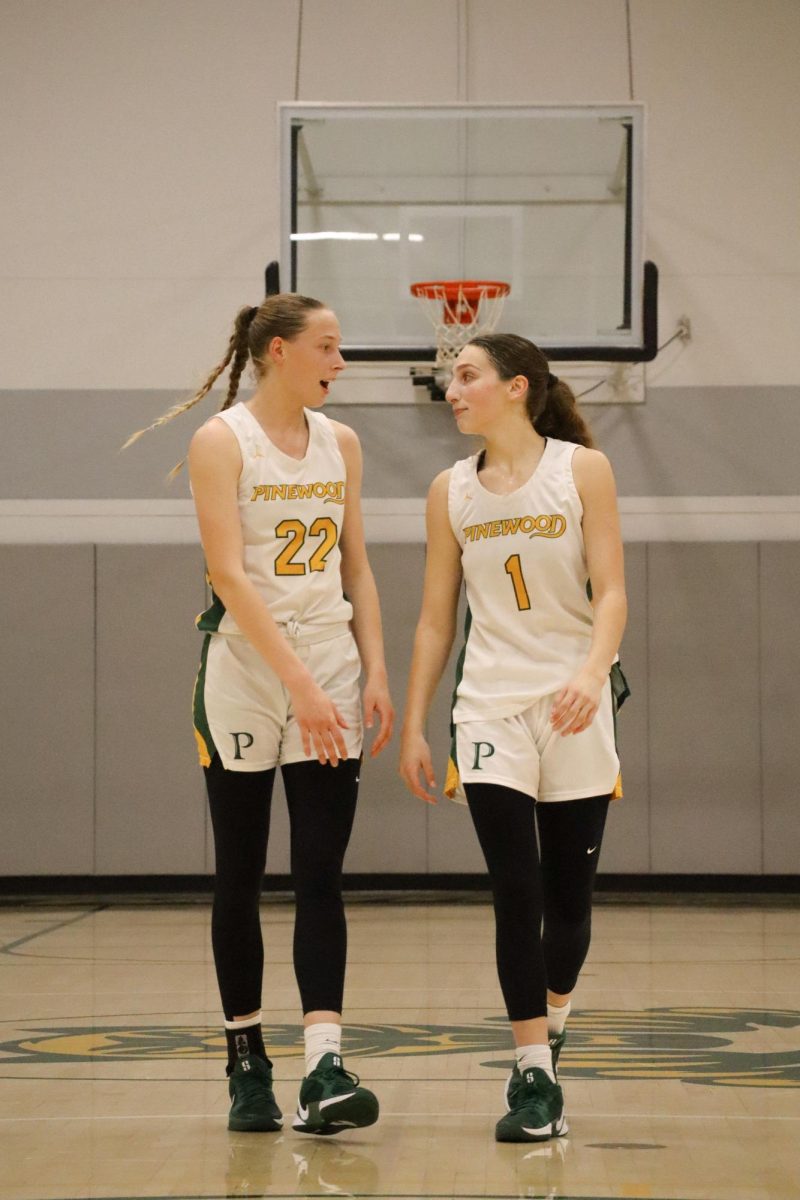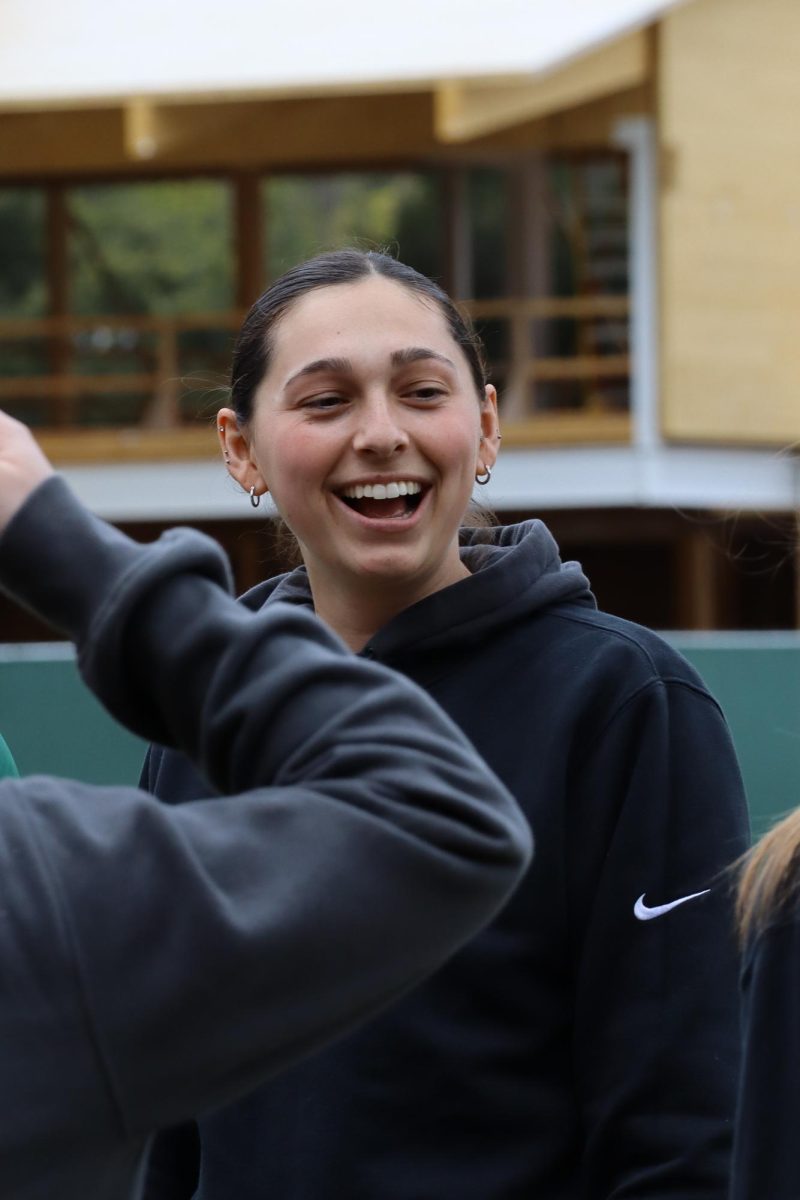
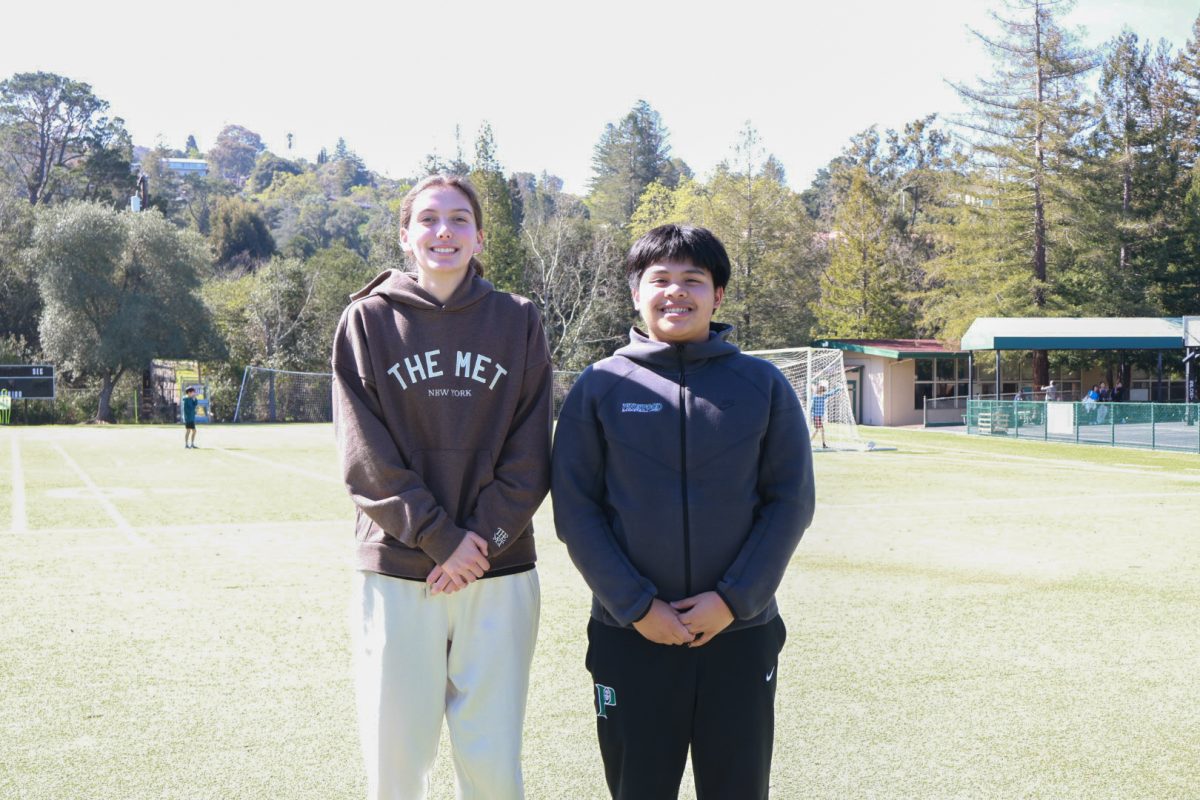
Every year, 200,000 American athletes tear their ACLs and are forced to sit on the sidelines, watching helplessly as their sporting careers are put on hold. The ACL is an important ligament in the knee, responsible for keeping the knee in place and orchestrating twisting and pivoting. Two Pinewood winter athletes, sophomores Tristan Facelo and Elliot Ososki, have experienced this injury firsthand.
For all athletes, the recovery process is slow and painful, involving rigorous physical therapy and long hours of hard work while their teammates continue to improve. Girls basketball forward Ososki touches on how the injury has affected her.
“The mental aspect is probably the worst of it because physically, you can recover over time if you put in the work, and you will get better,” Ososki said. “However, it is really draining when being an athlete is such a key part of your identity, and suddenly losing that is pretty detrimental to your mental health.”
The injury itself happens within a split second: one pivot, hard landing, or sudden cut can lead to a year-long recovery process where athletes must relearn basic movements, regain strength, and recalibrate balance. Boys basketball guard Facelo speaks about his experience in recovery.
“I honestly love the sport a little more now than I did before,” Facelo said. “It kind of hurts sitting on the side and watching the whole team play while still doing physical therapy, but I know [Head Coach] CJ and the rest of my team has my back. They always remind me that we’ll get through it together.”
Although these athletes aren’t able to contribute on the court this season, they have been on their respective benches at every game, supporting their teams.
“My teammates always check in on me and keep me involved,” Ososki said. “I’m still an important part of the team. I keep stats for the games and always offer insight based on the things I see from the bench, kind of as a player and a coach.”
According to the National Institute of Health, 70% of ACL tears happen without contact, and high school athletes are the most prone to this injury. Facelo was no different: after pushing hard at a pre-season open gym, he felt his knee buckle during an awkward turn and was sent to the hospital. Since tearing his ACL, he has come to value encouragement from his loved ones.
“Having my teammates and the unconditional support from my coaches is what is getting me through the recovery, especially my sister,” Facelo said. “She tore her ACL twice and is always there for me when I need someone to talk to.”
Ososki also recognizes the support system she has around her, particularly her peers who have gone through similar experiences.
“Whenever I need someone to talk to, I seek out Tristan because he is someone who understands literally everything I am going through, and it’s really nice to talk to him,” Ososki said. “If you don’t have anyone, the recovery is 1000 times harder.”
Both athletes plan to return to the court next season, as they will look to apply newfound knowledge and passion that grew during their time off.